
Public Lectures
-
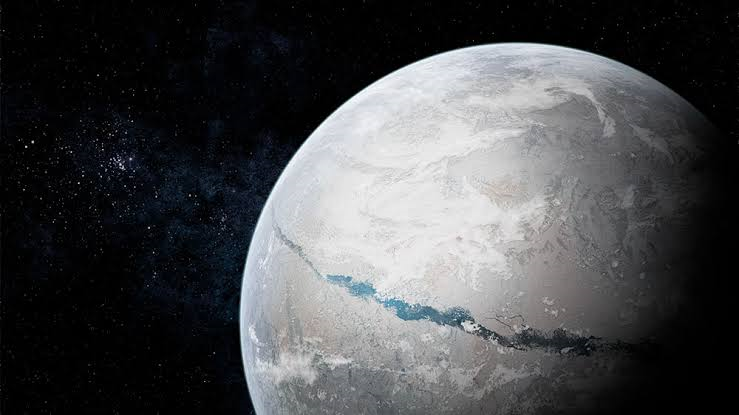
About 700 million years ago, before the onset of macroscopic life, Earth froze over, and for our public lecture on 12th October, UCC’s Dr Heda Agić will look at how life on Earth survived these conditions. During the Snowball Earth glaciations, ice may have reached the equator, sealing the oceans beneath a frozen lid for millions of years. The large… “read more”
-
Mon 14th Sept 2026 – “Large Scale Structures in the Universe: the Great Wall to the Great Attractor”
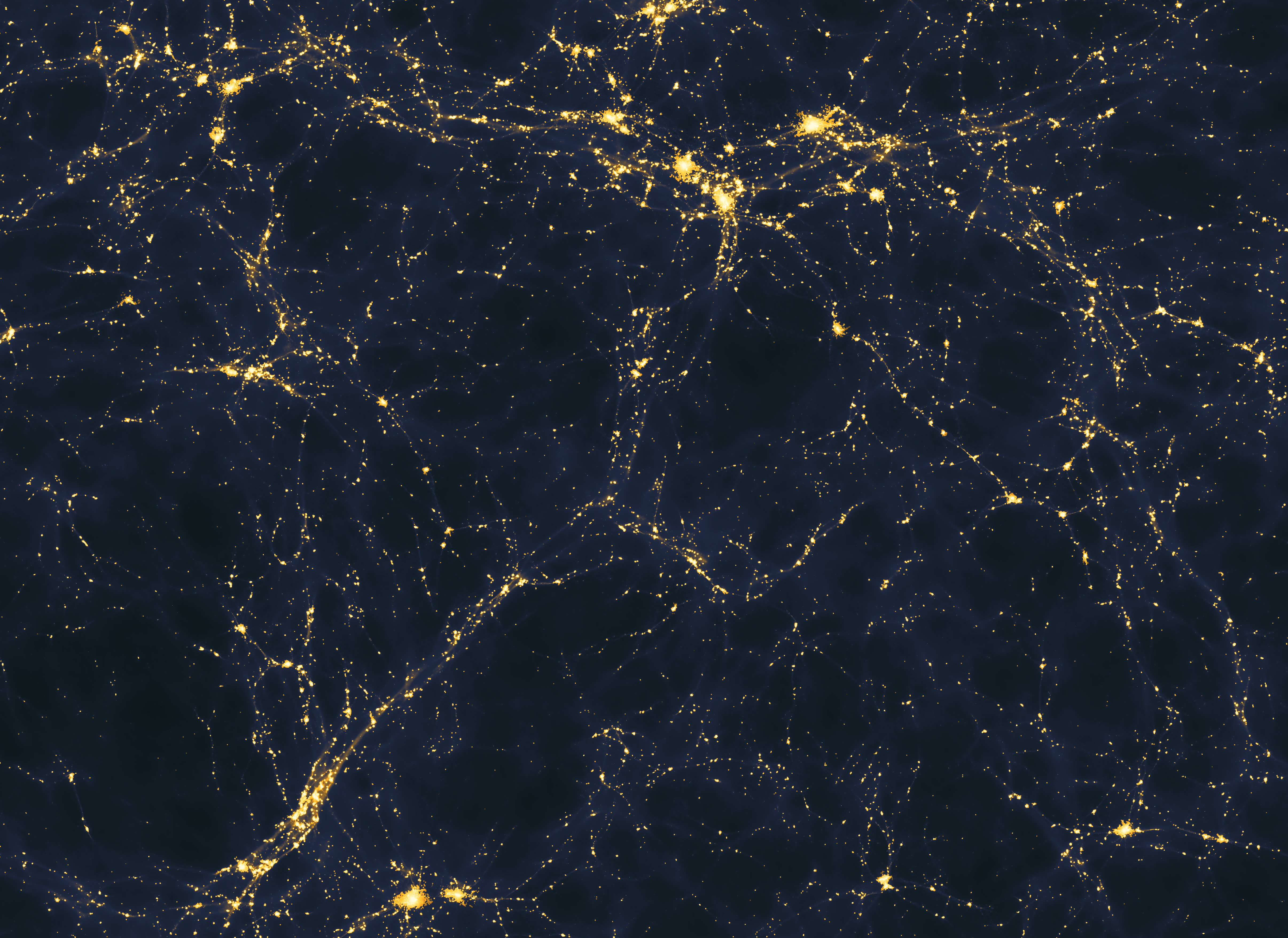
Our new sseason opened on 14th September with a public lecture by Frances McCarthy on the universe at the largest scales — so aptly descried by Douglas Adams in a A Hitchhikers Guide to the Galaxy: “Space is big. You just won’t believe how vastly, hugely, mind-bogglingly big it is. I mean, you may think it’s a long way down… “read more”
-

Two names that will forever be associated with extra-terrestrial life — left, philosopher and heretic Giordano Bruno, and right, Frank Drake with his equation — will feature in Cork Astronomy Club’s public lecture on 11th May. Monday 11th May is the final public lecture of the current season, which by tradition is given over to three short presentations from Club… “read more”
-
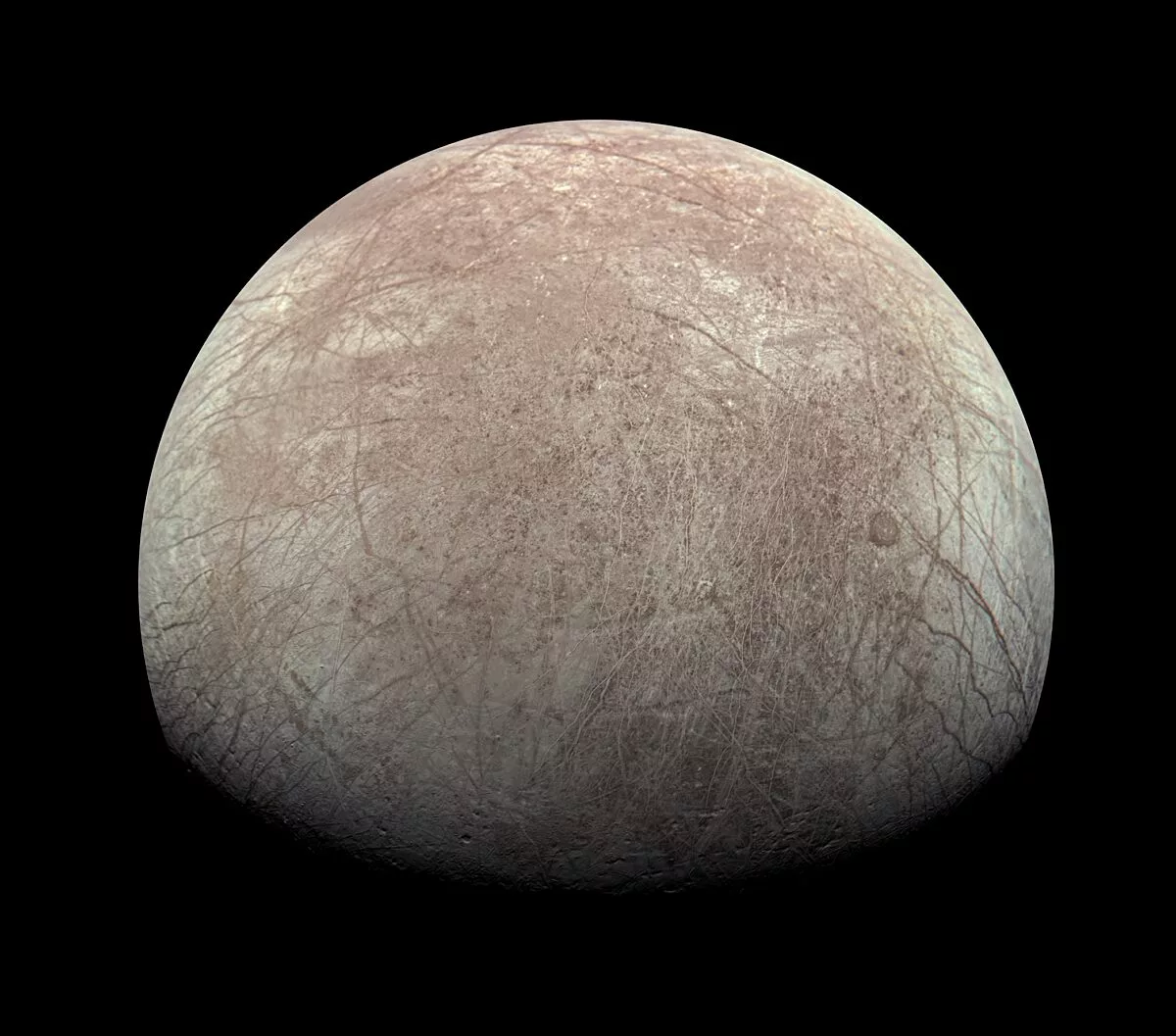
Are we alone in the universe? May an answer lurk under the ice on some of Jupiter’s moons? Explore the possibilities with Hans Huybrighs (small image) who calls his talk “20,000 Leagues Under an Alien Ocean”. Hans is a research fellow in astrophysics at Dublin Institute for Advanced Studies (DIAS) . Main image shows Jupiter’s icy moon Europa in 2022.… “read more”
-
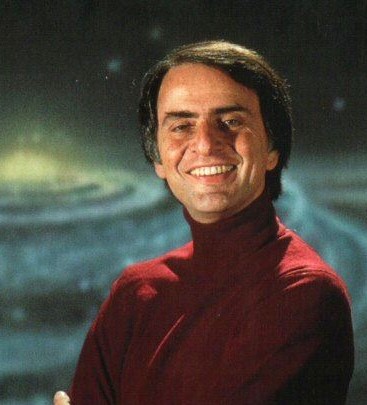
Carl Edward Sagan (1934 –1996) holds a special place in the pantheon of science communicators. He was an American astronomer and planetary scientist, held professorships at Harvard and Cornell, and is remembered for co-writing and narrating the 1980 documentary series Cosmos: A Personal Voyage, which, it is claimed, has been seen by 500 million people in 60 countries. There are many contenders for a favourite Carl Sagan… “read more”
-
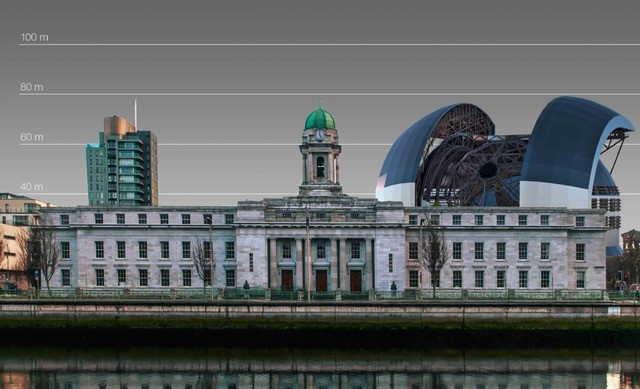
The European Southern Observatory (ESO) is building the imaginatively named Extremely Large Telescope at Cerro Armazones, a mountain at an altitude of 3,046 metres in the central part of Chile’s Atacama Desert. The main image shows the telescope structure to the same scale as Cork City Hall. Whilst the bulk of the structure is now nearing completion, the next steps… “read more”
-
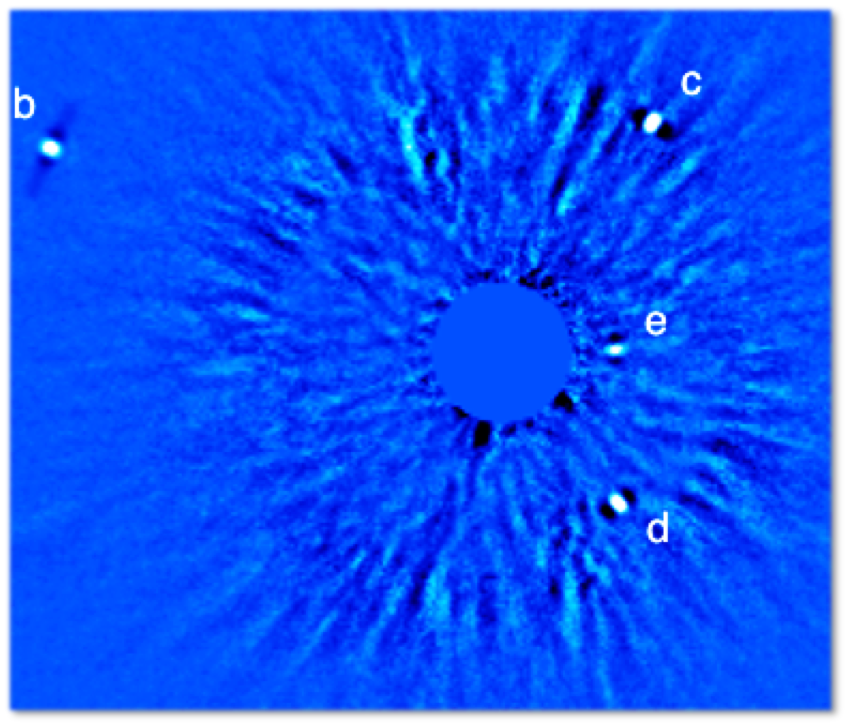
Exoplanets are planets orbiting stars other than our Sun. Over 6,000 exoplanets are known, but only a small handful of them have been directly imaged. Taking these photos pushes the limits of our technology, requiring the largest telescopes, advanced optics, and complex data analysis in order to separate the faint signal of the exoplanet from the overwhelming glare of the… “read more”
-
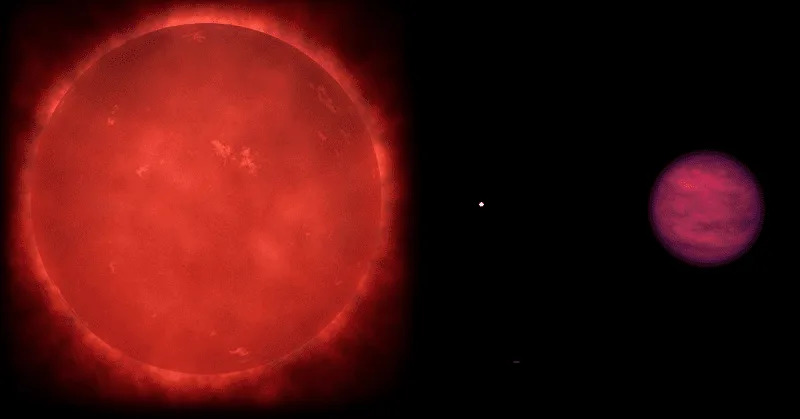
Claims that signs of life have been detected in the universe have so far proved erroneous — but November’s speaker, Dr Samuel Beiler (pictured below), will focus on the careful scientific process that may eventually allow for such claims to be believable. He will explore this through the lens of phosphine (PH3) — a molecule found on Earth, Jupiter, and… “read more”
-
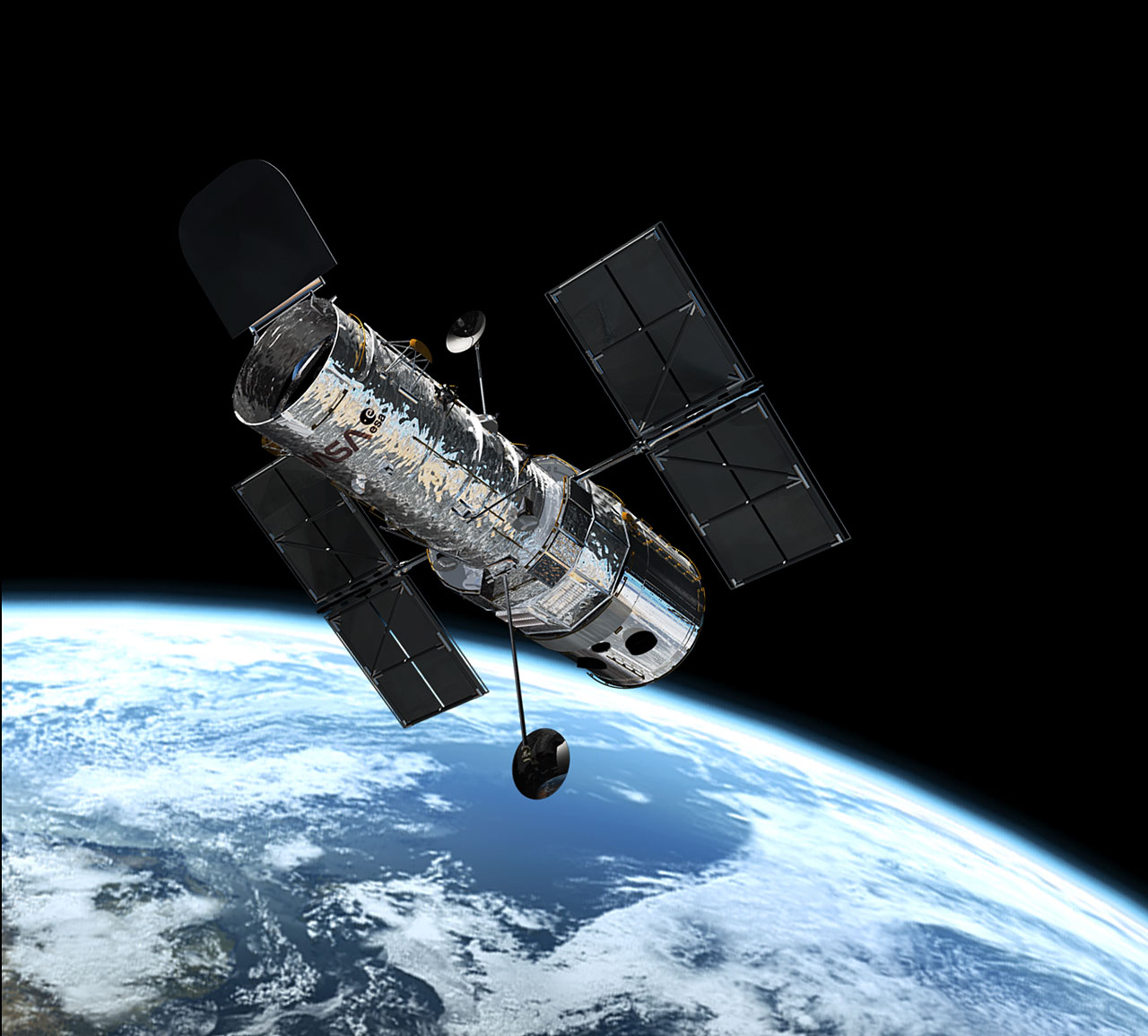
October’s public lecture will be delivered by Alan Giltinan, the title: “Photometry, a means to peak at the universe”. Photometry is a technique used in astronomy that is concerned with measuring the characteristics of light radiated by astronomical objects, from which much information about the emitting object can be gained. The speaker: Alan is Manager of MTU’s Blackrock Castle Observatory, and… “read more”
-

What’s even more important to Irish amateur astronomers than if Jupiter’s moons are all in a row? The weather! Meteorologists Evelyn Cusack and Séamus Walsh will open our new season of public lectures on 8th September with a talk entitled “THEY SAY IT MIGHT RAIN = The Highs and Lows of Ireland’s Weather and Climate”. Evelyn retired from forecasting in 2023… “read more”